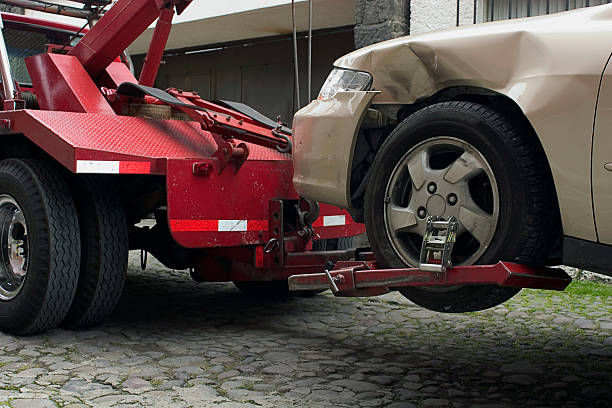
Dependable Emergency Vehicle Recovery Services for Highway Breakdowns
- American Towing
- 1 day ago
- 5 min read

Unexpected vehicle breakdowns create stressful situations that require immediate roadside support and safe transportation solutions. Drivers facing engine failure, flat tires, overheating, or accident recovery often need quick assistance to prevent additional delays and roadside safety risks. Reliable towing support helps protect drivers, passengers, and vehicles during emergencies on busy highways and remote rural roads.Fast response times also reduce traffic hazards and help motorists return to safety more quickly during difficult roadside situations. Vehicle recovery professionals use specialized equipment and transport procedures to secure damaged or disabled vehicles while minimizing additional mechanical stress. Towing in Kingston, UT, becomes especially important during severe weather, long-distance travel, and nighttime roadside emergencies where visibility and road conditions may create additional safety concerns.
Key Takeaways
Fast roadside response improves driver safety during emergencies
Professional towing prevents additional vehicle damage during transport
Rural highways increase roadside risks for stranded motorists
Proper towing equipment protects modern vehicle systems
Preventive maintenance reduces emergency breakdown situations
The Federal Highway Administration reports that thousands of roadside crashes occur annually because stranded vehicles remain exposed near active traffic lanes. Quick roadside recovery services help reduce accident risks while restoring safer traffic conditions for other motorists.
Modern vehicles also contain sensitive drivetrains, electronic systems, and low-clearance components that require careful handling during transportation.
Why Professional Towing Services Matter During Emergencies
Many drivers assume towing simply involves moving a disabled vehicle from one location to another. In reality, professional recovery requires specialized equipment, safe loading procedures, and trained operators who understand different vehicle types and roadside conditions.
Improper towing methods can damage suspension systems, transmissions, bumpers, tires, and electronic steering components. Flatbed transport systems and wheel-lift equipment help minimize stress during recovery while protecting modern vehicle designs.
Professional roadside teams also manage traffic safety concerns by positioning vehicles carefully, using hazard lighting, and maintaining secure loading zones near active roadways.
Common Causes of Vehicle Breakdowns on Rural Roads
Vehicle failures happen for many reasons, particularly during long-distance travel through isolated areas. Temperature changes, rough road conditions, and deferred maintenance all contribute to roadside emergencies.
Most Frequent Roadside Breakdown Problems
Dead batteries caused by temperature fluctuations
Tire blowouts from debris or worn tread
Engine overheating during summer travel
Transmission failure during long-distance driving
Fuel delivery or electrical system malfunctions
Drivers traveling through rural regions often experience longer wait times if they lack access to dependable roadside recovery services nearby.
Weather Conditions Increase Breakdown Risks
Seasonal weather patterns significantly affect vehicle performance and roadside safety. Winter temperatures place additional strain on batteries, fluids, and tire pressure, while summer heat increases the likelihood of overheating and cooling system failures.
Rain, snow, and icy roads also increase accident risks that may require emergency towing support. According to AAA roadside statistics, battery-related service calls increase dramatically during both extreme heat and freezing temperatures.
Drivers traveling during storms or poor visibility conditions should prioritize safe roadside positioning and immediate assistance when vehicle problems occur.
Warning Signs Drivers Should Never Ignore
Unusual engine noises or vibrations
Dashboard warning lights staying illuminated
Difficulty starting the vehicle consistently
Smoke or fluid leaks beneath the vehicle
Sudden steering or braking performance changes
Ignoring these warning signs often leads to more expensive repairs and a higher chance of complete roadside failure.
Safe Recovery Procedures Protect Vehicles During Transport
Vehicle recovery involves more than attaching a tow hook and moving the vehicle. Professional operators inspect drivetrain configurations, vehicle height, tire condition, and loading requirements before beginning transport.
Flatbed towing often provides the safest solution for all-wheel-drive vehicles, luxury cars, heavily damaged vehicles, and low-clearance automobiles. Secure loading procedures help reduce unnecessary movement during transportation.
Many roadside providers, including American Towing Service, focus on secure transport methods that help protect vehicle alignment, suspension systems, and exterior body components during recovery operations.
Preventive Maintenance Reduces Emergency Roadside Situations
Routine vehicle inspections help drivers avoid many common roadside emergencies. Regular maintenance improves reliability while reducing the likelihood of mechanical breakdowns during long-distance travel.
Drivers who monitor tire pressure, battery condition, brake performance, and fluid levels experience fewer unexpected roadside problems. Preventive maintenance also improves fuel efficiency and vehicle lifespan.
Maintenance Habits That Improve Vehicle Reliability
Inspect tire tread and pressure regularly
Replace aging batteries before failure occurs
Monitor coolant and fluid levels consistently
Schedule brake inspections during routine service
Address warning lights immediately after detection
Consistent maintenance reduces costly emergency repairs and improves overall road safety throughout the year.
Choosing the Right Towing Provider
Not every towing company provides the same level of equipment quality, response time, or vehicle protection. Drivers should evaluate roadside providers based on operator experience, dispatch availability, recovery equipment, and emergency response capability.
Clear communication also matters during roadside emergencies. Accurate arrival estimates and transparent transport procedures help reduce stress for stranded drivers.
Local experience becomes especially valuable in rural areas where weather conditions, terrain, and highway accessibility may affect recovery operations.
Qualities That Define Reliable Towing Professionals
Fast dispatch response during emergencies
Proper equipment for different vehicle types
Experienced operators trained in safe recovery methods
Clear communication throughout the towing process
Secure transport procedures that minimize damage risks
These qualities help drivers receive dependable roadside support when unexpected vehicle problems occur.
Roadside Safety Should Always Come First
Drivers stranded near active highways face significant safety risks, particularly during nighttime conditions or poor weather visibility. Moving vehicles safely away from traffic lanes reduces accident exposure while protecting passengers and recovery crews.
Motorists waiting for roadside assistance should activate hazard lights, remain visible to other drivers, and avoid standing near moving traffic whenever possible.
Professional towing operators use reflective equipment, traffic awareness procedures, and strategic vehicle positioning to improve roadside safety during recovery operations.
Frequently Asked Questions
What types of vehicles require flatbed towing?
Flatbed towing is recommended for all-wheel-drive vehicles, luxury cars, motorcycles, low-clearance vehicles, and heavily damaged automobiles.
How long does emergency towing usually take?
Response times vary depending on location, traffic, weather, and road conditions. Many providers arrive within 30 to 60 minutes under normal circumstances.
Can towing damage a vehicle?
Improper towing methods can cause damage. Professional operators use specialized equipment and secure transport procedures to protect vehicles during recovery.
What should drivers do while waiting for assistance?
Drivers should move to a safe location when possible, activate hazard lights, remain visible, and avoid standing near traffic lanes.
Does weather affect towing operations?
Yes. Rain, snow, high winds, and icy roads may affect response times and require additional recovery precautions during transport.
Reliable Roadside Recovery Improves Driver Safety
Emergency towing services play an important role in protecting drivers, passengers, and vehicles during unexpected roadside situations. Fast response times, proper recovery procedures, and specialized transport equipment help reduce accident risks while minimizing vehicle damage. Drivers who maintain their vehicles regularly and respond quickly to warning signs experience fewer breakdowns and safer travel conditions throughout the year. Professional roadside recovery services remain essential for handling emergencies safely and efficiently across highways, rural roads, and remote travel routes.
Contact Experienced Towing Professionals for Fast Assistance
Drivers dealing with breakdowns, accident recovery situations, flat tires, overheating, or mechanical failure need dependable roadside assistance from trained recovery professionals. Fast dispatch support, safe transport methods, and experienced operators help reduce stress during emergencies while protecting vehicles from additional damage. Contact a trusted towing provider today for professional roadside recovery, emergency transport solutions, and dependable assistance designed to improve driver safety during unexpected vehicle emergencies.