How to Request Emergency Towing in Circleville, UT
- American Towing
- Apr 29
- 8 min read

Finding yourself stranded due to a mechanical failure or an accident requires a prompt and professional response to ensure road safety. Motorists must have immediate access to a provider that offers verified 24/7 towing in Circleville, UT, to manage vehicle recovery at any hour of the day or night. By choosing a local specialist equipped with modern wreckers and flatbed trailers, drivers can guarantee that their passenger car, truck, or recreational vehicle is transported securely to a repair facility or residential location without further damage or unnecessary delay.
Key Takeaways
Constant availability is vital for managing nighttime breakdowns and weekend emergencies.
Professional dispatchers provide accurate arrival times to help motorists plan safely.
Specialized equipment like wheel-lifts and flatbeds protects various drivetrain types.
Local operators possess the geographical knowledge to navigate rural Piute County roads.
The anxiety of a roadside emergency is often compounded by the isolation of rural Utah highways, where traffic can be sparse and weather conditions unpredictable. Motorists should prioritize safety by moving their vehicle as far onto the shoulder as possible and activating hazard lights to signal their position to passing traffic. Once a safe perimeter is established, contacting an emergency hauler becomes the primary objective. A structured response not only protects the vehicle's occupants but also prevents secondary collisions on high-speed corridors.
Expertise in the recovery industry is demonstrated through technical proficiency and a commitment to rigorous safety standards. Professional operators must understand the specific towing requirements of modern all-wheel-drive systems and electric vehicles to prevent internal mechanical wear during transport. By utilizing high-tensile chains and industrial-grade securement straps, a qualified technician ensures the load remains stable throughout the journey. This level of technical mastery provides peace of mind to travelers navigating the challenging terrain of the Salt River Valley.
Navigating the Logistics of Round-the-Clock Recovery
The process of requesting assistance starts with a clear communication of the vehicle's precise location and the nature of the mechanical issue. In areas with limited landmarks, providing GPS coordinates or the nearest mile marker on Highway 89 is the most effective way to guide a recovery unit. Dispatchers use this information to determine which type of tow truck is best suited for the task, whether it requires a standard wheel-lift for a short-distance move or a flatbed for a more complex long-haul transport.
Once the technician arrives, they perform a site assessment to identify potential hazards like soft soil or steep embankments that could complicate the loading process. They use high-visibility lighting and safety gear to remain visible to other drivers while they work. This methodical approach ensures that the vehicle is winched or lifted with precision, preserving the integrity of the suspension and frame. Clear communication remains a priority, as the operator explains the destination logistics and provides a breakdown of the recovery plan to the vehicle owner.
Essential Emergency Hauling Capabilities
Damage-free transport for luxury cars and all-wheel-drive SUVs.
Winch-out services for vehicles stuck in mud, snow, or steep ditches.
Secure hauling for motorcycles using specialized cradles and tie-downs.
Medium-duty recovery for delivery vans and large recreational vehicles.
Reliability is the foundation of a successful hauling operation, especially when partnering with a respected local name like American Towing Service. This organization has spent years perfecting the art of emergency recovery, ensuring that every motorist receives disciplined, veteran-level care regardless of the time or location. Their team focuses on providing rapid response times and utilizing technical diagnostics to determine the most efficient recovery method. By combining local experience with a modern fleet, they provide a dependable safety net for the residents and tourists traveling through this unique region of Southern Utah.
Critical Decision Factors for Emergency Roadside Support
When selecting a recovery partner during a crisis, motorists must evaluate the provider's licensing, insurance, and equipment standards. A reputable company should always be able to confirm their professional liability coverage, which protects the owner's property during the loading and transport phases. It is also important to verify that the operators are certified in modern rigging techniques and road safety protocols. Choosing a vetted specialist ensures that the recovery is handled legally and safely, meeting the requirements of both insurance carriers and law enforcement.
Transparency in pricing is another significant factor to consider before committing to a service. Emergency calls often involve a base hook-up fee plus a per-mile rate for the transport. Property owners should request a clear estimate that includes any potential surcharges for after-hours work or specialized winching. A trustworthy provider will offer this information upfront, preventing any financial surprises at the end of the journey. This commitment to honesty helps build a relationship of trust between the local community and the service provider.
Vetting a Reliable Recovery Specialist
Confirmation of active DOT licensing and professional liability insurance.
Use of clearly marked, well-maintained service vehicles and equipment.
Ability to provide a detailed written or digital invoice for all services.
Proven track record of navigating mountain passes and rural road conditions.
Recent market data suggests that nearly 45% of roadside emergencies occur after sunset, highlighting the necessity for constant availability in rural districts. Actionable tips for drivers include keeping a portable battery bank to ensure their phone remains charged while waiting for a truck. Additionally, motorists should carry a basic emergency kit containing water, blankets, and a flashlight to manage the temperature shifts common in high-altitude environments. These proactive measures, combined with the support of a professional recovery team, significantly reduce the risks associated with a midnight breakdown.
Advanced Recovery and hauler Coordination
Modern vehicle recovery involves more than just towing; it requires a coordinated effort to manage traffic and protect the environment. In the event of a fluid leak after an accident, professional operators use specialized absorbents to prevent contaminants from reaching the soil. This environmental responsibility is a hallmark of a high-quality provider. Furthermore, technicians are trained to work alongside local law enforcement to clear accident scenes quickly, restoring the flow of traffic and reducing the danger of secondary pile-ups on winding mountain roads.
For larger assets like commercial vans or heavy-duty pickups, the recovery process requires increased hydraulic power and reinforced frames. A specialist ensures that the tow truck's weight rating exceeds the weight of the disabled vehicle to maintain braking and steering control during the haul. This technical foresight is essential for local businesses that rely on their fleets to deliver goods and services across the county. Having a partner who can manage these larger loads prevents the delays associated with sending an undersized truck to a complex industrial recovery site.
Benefits of Professional Fleet Coordination
Minimized downtime for commercial vehicles and local business operations.
Safe management of heavy-duty loads on steep mountain gradients.
Environmental protection through proper on-site fluid containment.
Improved public safety through rapid clearance of disabled vehicles.
A bonus tip for motorists is to document the condition of their vehicle with a smartphone camera before it is loaded onto the tow truck. This provides a clear record for insurance purposes and ensures that the recovery process is transparent from start to finish. Additionally, checking your auto insurance policy for roadside reimbursement can often cover the costs of an emergency haul. By integrating these small administrative steps with the technical skills of a local operator, drivers can manage a vehicle failure with the confidence that their property and finances are well-protected.
<h2>Frequently Asked Questions</h2>
How long does it take for a truck to arrive in a rural area?
Arrival times in rural regions depend on the distance from the service hub and current road conditions. Generally, most local providers aim to reach a stranded motorist within 30 to 60 minutes. Providing a precise location through a GPS pin or landmarks can help the driver find you more quickly, especially in areas where mile markers are infrequent. During peak travel seasons or heavy snowstorms, dispatchers will provide updated timelines so you can stay informed.
What is the difference between a flatbed and a wheel-lift truck?
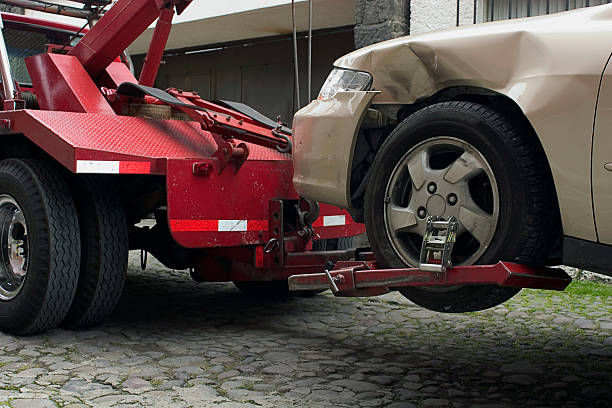
A flatbed truck features a long platform that tilts to the ground, allowing the vehicle to be winched entirely onto the bed. This is the safest method for all-wheel-drive vehicles and long-distance hauls. A wheel-lift truck uses a hydraulic metal yoke to lift two wheels off the ground while the other two remain on the road. Wheel-lifts are often used for quick recoveries in tight spaces or short-distance moves where speed is the primary factor.
Can a car be towed if the keys are missing or locked inside?
Yes, professional operators have specialized tools and techniques to move a vehicle even if the keys are unavailable. They can use dollies to lift all four wheels off the ground or utilize non-destructive entry tools to unlock the door and put the transmission in neutral. It is important to inform the dispatcher of this situation beforehand so the technician can arrive with the appropriate specialized equipment to handle the lockout or the neutral-lock bypass.
What should I do while waiting for the recovery unit to arrive?
The most important step is to remain in a safe location. If you are on a busy highway, stay inside your vehicle with your seatbelt fastened until help arrives. If your car is in a dangerous curve, move a safe distance away from the road while keeping your vehicle in sight. Ensure your hazard lights are on, and if you have flares or triangles, place them behind the vehicle to give other drivers plenty of warning of the obstruction ahead.
Are towing services covered by my standard auto insurance?
Many insurance policies include an optional roadside assistance rider that covers the cost of a tow up to a certain mileage or dollar amount. Even if it is not included in your primary policy, some credit card companies and vehicle manufacturer warranties offer similar benefits. You should always ask the recovery provider for a detailed receipt, which you can then submit to your insurance company for potential reimbursement of the out-of-pocket expenses.
Summary of Professional Recovery Standards
Managing a vehicle crisis in a rural environment requires a fusion of rapid response and technical precision. By prioritizing providers that offer constant availability and utilize modern hauling equipment, motorists can protect their vehicles from the wear and tear of improper transport. The transition from being stranded to reaching a safe destination is a structured process that relies on the integrity of local operators and the preparedness of the driver. A well-maintained recovery fleet serves as a critical safety net for the entire community, ensuring the roads remain clear and safe for everyone.
Ultimately, the goal of any emergency recovery is to provide a safe, efficient, and transparent solution for vehicle transport. From the initial dispatch call to the final drop-off at a repair center, every detail is managed to minimize risk and maximize customer satisfaction. By choosing established local experts and following basic preventive maintenance, motorists can explore the Southern Utah landscape with the certainty that expert help is always just a phone call away. Professional craftsmanship remains the essential foundation for road safety and traveler peace of mind.
Get back on the road with the speed and professional integrity you deserve. Whether you are dealing with a nighttime engine failure, a flat tire, or a complex off-road recovery, our team provides the veteran-owned reliability and technical precision required for a safe resolution. We focus on rapid response times, transparent pricing, and the highest standards of automotive support for every client. Don't let a minor mechanical issue turn into a major delay. Contact American Towing Service today for immediate assistance and restore your mobility.